You are getting ready to sell your home. You have cleaned it up, maybe freshened the paint, and called a realtor.
But there is one question smart sellers in Raleigh are asking before they ever put a sign in the yard.
Should I get a pre-listing inspection first?
The short answer is yes. The long answer is what this blog is about.
What Is a Pre-Listing Inspection?
A pre-listing inspection, also called a seller inspection or pre-sale inspection, is a home inspection ordered by the seller before the property hits the market.
It is the same thorough evaluation a buyer would order. The difference is timing. Instead of happening after an offer is accepted, it happens before the home is even listed. That timing changes everything.
The Problem With Waiting for the Buyer’s Inspection
Here is how most home sales go in Raleigh.
The seller lists the home. A buyer falls in love with it. An offer is made. And then the buyer orders an inspection.
That inspection report lands in the buyer’s hands and suddenly they have all the power. They now know every issue with the home, and you as the seller are in a reactive position. You either agree to repairs, lower your price, or risk the deal falling apart altogether.
This is one of the most common reasons home sales fall through or go sideways in the Triangle area. The inspection came as a surprise. And surprises in real estate are almost never good.
A pre-listing inspection flips that dynamic completely.
6 Reasons a Pre-Listing Inspection Is Worth It
1. You Control the Narrative
When you know the condition of your home upfront, you are in charge. You decide what to fix, what to disclose, and how to price the property. You are not reacting to someone else’s report. You are leading the conversation.
2. You Can Choose Your Own Contractors
Before getting an offer, homeowners who get a pre-listing inspection can get a jump on fixing up their houses and have the freedom to hire whichever contractors they see fit. Once a buyer’s inspection is done and negotiations begin, you are often pressured to use whoever is fastest or cheapest. Pre-listing gives you time to shop around, get fair quotes, and do the work properly.
3. You Price Your Home More Accurately
Knowing your home’s true condition helps you and your realtor set a realistic asking price. Overpricing a home with hidden issues leads to price drops after the buyer’s inspection. That looks bad to the market. A well-priced home based on accurate information sells faster and cleaner.
4. You Reduce the Risk of the Deal Falling Apart
The buyer’s inspection report is one of the most common triggers for deals going back to the negotiating table or collapsing entirely. When you perform a pre-listing inspection, you regain control as the seller. Issues that would have blindsided the buyer are already known, already disclosed, and often already resolved.
5. You Build Buyer Confidence
Buyers feel more comfortable making strong offers on a home when the seller is transparent. Providing a pre-listing inspection report shows you have nothing to hide. That kind of trust can lead to faster offers and fewer contingencies.
6. You May Get a Higher Sale Price
A home that is clearly well-maintained and comes with a clean inspection report commands more in Raleigh’s competitive market. Repairs done before listing often return more value than the cost of doing them.
What Does a Pre-Listing Inspection Cover?
The same things a buyer’s inspection covers. Your inspector will evaluate:
- Roof condition including shingles, flashing, and gutters
- Foundation and structural integrity
- Electrical panel and wiring
- Plumbing systems and water heater
- HVAC heating and cooling
- Attic insulation and ventilation
- Interior walls, ceilings, floors, doors, and windows
- Exterior siding, grading, and drainage
- Crawl space moisture and structural supports
- Built-in appliances
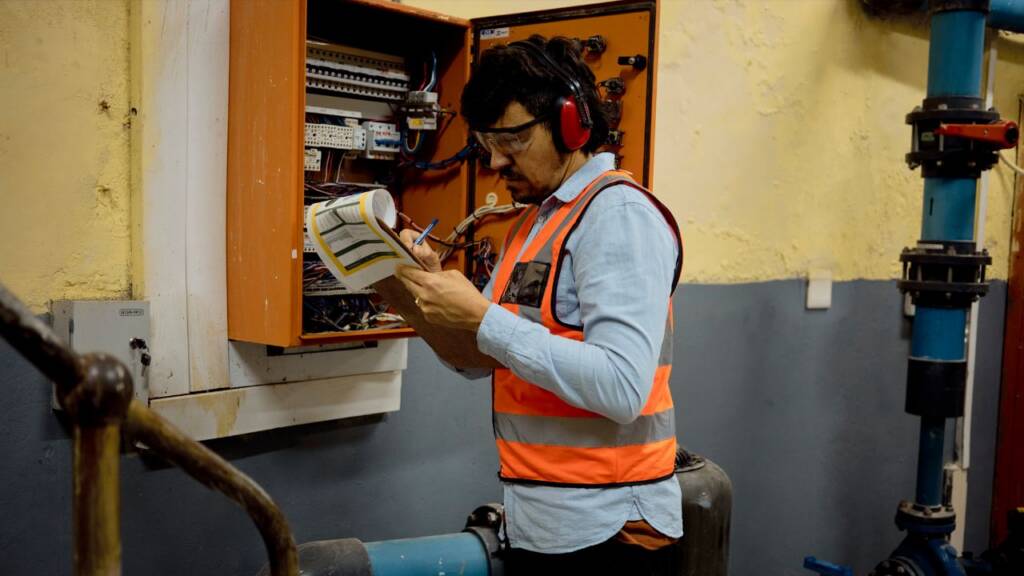
The inspection report you receive will include photos, severity ratings, and recommendations. It is the same standard of thoroughness a buyer’s inspector would apply.
Pre-Listing Inspection vs. Buyer’s Inspection
| Pre-Listing Inspection | Buyer’s Inspection | |
| Who orders it | The seller | The buyer |
| When it happens | Before listing | After an offer is accepted |
| Who sees the report | Seller and their agent | Buyer and their agent |
| Who controls next steps | The seller | The buyer |
| Impact on negotiations | Seller is prepared | Seller is reactive |
| Repair timeline | Flexible, no pressure | Tight, deal-dependent |
The difference is not just about timing. It is about who holds the power during the sale.
Are There Any Downsides?
Fair question. Yes, there are a few things to be aware of.
Disclosure obligations. In North Carolina, sellers are generally required to disclose known material defects. Once you have a pre-listing inspection, you officially know what those issues are. This is not a reason to avoid the inspection. It is simply something to discuss with your realtor and attorney before listing.
The cost is yours to bear. The seller pays for a pre-listing inspection out of pocket. The buyer is not involved yet. However, when you consider the cost of emergency repairs under pressure, price reductions after the buyer’s inspection, or a deal falling through entirely, that upfront cost looks small.
It does not replace the buyer’s inspection. Most buyers will still order their own inspection even if you provide one. A pre-listing report is a tool that prepares you and builds buyer trust. It is not a guarantee that the buyer will skip their own due diligence.
What Should You Fix Before Listing?
Not everything found in an inspection needs to be repaired before listing. Here is a general way to think about it.
Fix these before listing:
- Safety issues like faulty wiring, gas leaks, or structural concerns
- Roof damage or active leaks
- HVAC systems that are not functioning
- Plumbing leaks or water damage
- Crawl space moisture problems
Consider fixing these for better value:
- Outdated fixtures or cosmetic issues that are easy to address
- Minor plumbing repairs
- Damaged flooring or drywall
Disclose and price accordingly:
- Major repairs that are too costly to complete before listing
- Items that are functional but aging
- Issues that buyers would reasonably expect in a home of that age
Your inspector and your contractor can help you prioritize. At Enteck, we do both, so you get a single clear plan instead of conflicting advice from multiple parties.
How Much Does a Pre-Listing Inspection Cost in Raleigh?
An inspection is priced the same way a standard inspection is. In the Raleigh area, most sellers can expect to pay in the range of $325 to $600 depending on the size and age of the home.
Contact Enteck directly for a custom quote based on your specific property. Every home is different and we price accordingly.
Why Sellers in Raleigh Trust Enteck
Most inspection companies hand you a report and walk away. We go further.
At Enteck Design Group, we hold both NC Home Inspector License #4457 and NC General Contractor License #81098. That means after we inspect your home, we can also fix what we find. You get one team, one point of contact, and a clear plan from inspection to repair to listing.
We work with homeowners, realtors, investors, and real estate professionals across the Raleigh, Durham, and Chapel Hill Triangle area. We understand what buyers in this market look for, and we help sellers get ahead of it.
Frequently Asked Questions
Is a pre-listing inspection the same as a home inspection?
Yes. The process, standards, and thoroughness are identical. The only difference is who orders it and when it takes place.
Do I have to disclose the inspection report to buyers?
This depends on what the report finds and your state’s disclosure laws. In North Carolina, sellers must disclose known material defects. Talk to your realtor or real estate attorney about how to handle disclosure properly.
Will buyers still order their own inspection if I provide a pre-listing report?
Most will. A pre-listing report does not replace the buyer’s right to their own inspection. It does, however, reduce surprises and build buyer confidence going into the process.
What if the inspection finds something major?
That is exactly why you do it before listing. Knowing early gives you time to repair it properly, adjust your price, or decide how to disclose it. Finding it after an offer is accepted is far more stressful and costly.
How far in advance should I schedule an inspection?
Ideally four to eight weeks before you plan to list. That gives you time to review the report, complete repairs, and get the home market-ready without feeling rushed.
Does Enteck offer inspections in Durham and Chapel Hill?
Yes. We serve the entire Raleigh, Durham, and Chapel Hill Triangle area in North Carolina.
How do I schedule an inspection with Enteck?
Call or text us at (919) 420-3397 or visit enteck.com to get started.
Final Thoughts
A pre-listing inspection is one of the smartest moves a seller can make in Raleigh’s real estate market.
It puts you in control. It protects your asking price. It builds buyer confidence. And it dramatically reduces the chance of your deal falling apart over inspection surprises.
The cost is small. The advantage is significant.
Ready to list your home with confidence? Start with a pre-listing inspection from Enteck.
Call or text: (919) 420-3397 Visit: enteck.com Serving Raleigh, Durham, Chapel Hill, and the entire Triangle area.
By Enteck Design Group | Raleigh, NC Home Inspection & General Contracting