
The urge to do it yourself makes complete sense.
You watch a few videos online. The project looks manageable. Labor costs are high. And there is something genuinely satisfying about fixing your own home with your own hands.
But not every project should be DIY. And knowing the difference between the two can save you thousands of dollars, weeks of frustration, and in some cases, a serious safety risk.
This guide is built for Raleigh homeowners who want an honest answer. Not a generic list. A real framework for making the right call on every project.
The Real Question Is Not “Can I Do This?” It’s “Should I?”
Most homeowners ask the wrong question. They focus on whether they are physically capable of completing a task. But capability is only part of the equation.
The smarter questions are:
- What happens if something goes wrong?
- Does this project require a permit in Raleigh?
- Will a DIY finish affect my home’s resale value?
- Am I saving money or just delaying a bigger expense?
Answering those honestly will lead you to the right decision every time.
What Competitors Get Wrong About This Topic
Most blogs on DIY versus hiring a contractor give you the same generic advice. They tell you painting is fine to DIY and electrical work is not. That is true but it barely scratches the surface.
What they miss is the Raleigh context. Local building codes, NC permit requirements, and the Triangle’s specific climate conditions all affect which projects are safe to DIY here and which ones are not. A basement remodel in Raleigh has different humidity and moisture considerations than the same project in a dry climate. A roof patch after a Raleigh summer storm is not the same as routine maintenance elsewhere.
Local knowledge matters. And that is what this guide is built on.
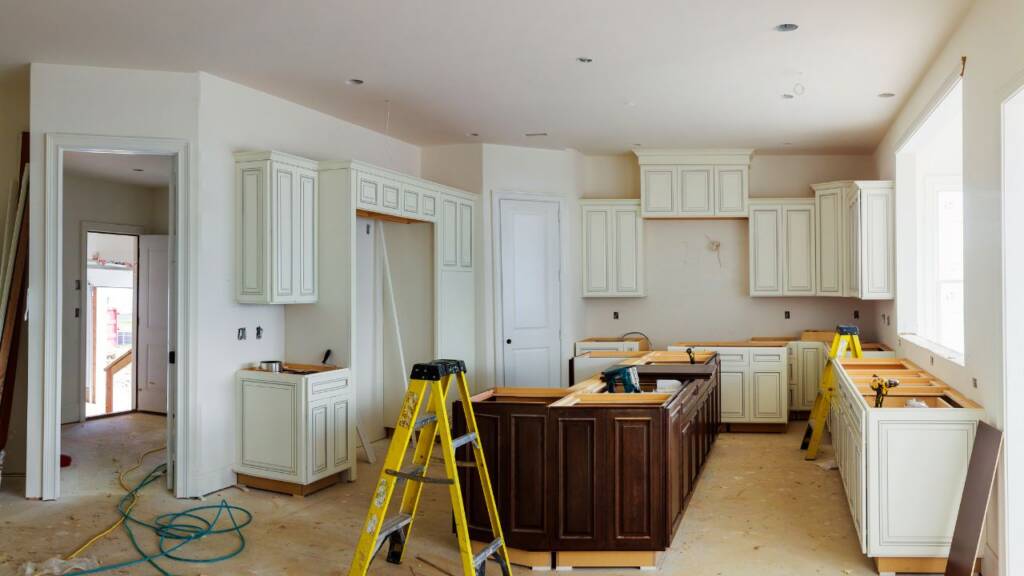
The 4 Factors That Should Drive Your Decision
Before we get into specific projects, here are the four factors that should guide every decision.
Factor 1: Safety Risk
If getting it wrong could injure someone or create a fire or flood hazard, hire a professional. No YouTube tutorial is worth putting your family at risk.
Factor 2: Permit Requirements
Raleigh requires permits for structural changes, electrical work, plumbing modifications, HVAC installations, decks, and home additions. Doing permitted work without a license is illegal. It also creates serious problems when you sell the home. An unlicensed inspection will flag unpermitted work immediately.
Factor 3: Cost of Mistakes
Some DIY mistakes are cheap to fix. Others are not. A botched paint job costs you a weekend and some extra paint. A botched plumbing repair can cost $5,000 to $15,000 in water damage. Always factor in the downside before you start.
Factor 4: Resale Value
Buyers and their inspectors notice poor workmanship. Uneven tile, amateurish drywall patches, or visible wiring mistakes are red flags in an inspection report. They can reduce your offer price or kill a deal.
Project by Project: DIY or Hire a Contractor?
| Project | DIY or Hire? | Why |
| Interior painting | DIY | Low risk, easy to learn, no permit needed |
| Landscaping and garden work | DIY | No structural risk, no permit required |
| Installing shelving or curtain rods | DIY | Simple, low stakes, reversible |
| Replacing faucets or showerheads | DIY | Manageable with basic plumbing knowledge |
| Caulking and weatherstripping | DIY | Low risk, good return on investment |
| Replacing light fixtures | DIY (with caution) | Turn off the breaker, follow instructions carefully |
| Flooring installation (LVP or laminate) | DIY (with research) | Doable but time consuming, mistakes show |
| Tile work in kitchen or bathroom | Hire | Grout lines, waterproofing, and leveling require skill |
| Deck building | Hire | Requires permits, structural knowledge, and inspections |
| Roof repair or replacement | Hire | Safety risk, permit required, insurance implications |
| Electrical panel work | Always hire | Illegal without license in NC, serious fire risk |
| Plumbing rough-in or rerouting | Always hire | Permit required, major damage potential |
| HVAC installation or replacement | Always hire | Requires NC license, refrigerant handling certification |
| Structural wall removal | Always hire | Load-bearing walls require engineering assessment |
| Kitchen or bathroom remodel (full) | Hire | Combines plumbing, electrical, tile, permits |
| Basement finishing | Hire | Moisture management, permits, electrical required |
| Home addition | Always hire | Structural, permits, inspections, and code compliance |
What DIY Gets Right
Let’s be fair. There are real reasons to handle certain projects yourself.
Cost savings on labor. For simple tasks like painting, landscaping, or basic repairs, skipping the labor cost makes sense. The savings are real and the risk is low.
Flexibility and control. You work on your own timeline. You choose every material. You are not waiting on a contractor’s schedule.
Personal satisfaction. There is genuine value in the pride of doing something well with your own hands. For the right projects, that reward is real.
Building skills over time. Starting with small, low-risk projects is a great way to develop abilities that serve you for years. Replacing a faucet today prepares you for slightly bigger tasks tomorrow.
The key is knowing where that line is.
Where DIY Goes Wrong in Raleigh
We see the aftermath of DIY projects regularly. Here are the most common ways they go sideways in the Triangle area.
Moisture mistakes. Raleigh’s humidity is unforgiving. Homeowners who seal crawl spaces or finish basements without proper vapor barriers and drainage end up with mold problems within months. Fixing that is far more expensive than doing it right the first time.
Unpermitted work. A homeowner adds a deck, finishes a basement, or adds a bathroom without pulling a permit. Everything looks fine until the house goes on the market. The inspection report flags the unpermitted work. The buyer demands it be brought to code or removed. Suddenly what seemed like a money-saver becomes a deal-killer.
Electrical shortcuts. NC is strict about electrical licensing for a reason. DIY wiring that does not meet code is a fire hazard. It also fails inspection and must be rewired by a licensed electrician before a sale can close.
Structural assumptions. Not every wall is just drywall. Removing a load-bearing wall without understanding what it supports is one of the most dangerous and expensive DIY mistakes a homeowner can make.
The Hidden Cost of DIY Gone Wrong
Here is what most people do not calculate when they decide to go the DIY route.
If you attempt a project yourself and it goes wrong, you still have to hire a contractor to fix it. And fixing a mistake is almost always more expensive than doing it correctly from the start. The contractor now has to undo your work, correct any code violations, and redo the job properly.
What started as a money-saving project ends up costing more than the original contractor quote would have. That is the hidden cost most DIY enthusiasts never factor in until it is too late.
How to Know When You Are in Over Your Head
Watch for these signs during any project.
You opened a wall and found something unexpected, like old wiring, asbestos materials, or signs of water damage. Stop immediately and call a professional.
The project scope keeps growing. What started as a simple repair is revealing bigger underlying problems. That is a signal the issue is more serious than it appeared.
You are not confident about the permit requirements. In Raleigh, when in doubt, check with the City of Raleigh Development Services or call a licensed contractor before proceeding.
The Smarter Middle Ground: Hybrid Projects
Not every project has to be entirely DIY or entirely contracted out. Many homeowners save money by splitting the work.
For example, on a bathroom remodel you could handle the demo yourself to save on labor, then hire a licensed plumber and tile professional for the technical work. On a deck project you could do the staining and finishing yourself after a licensed contractor builds the structure and passes inspection.
This approach gives you real savings without taking on the risk of the work that requires expertise or licensing.
Why Enteck Is the Right Call for Raleigh Homeowners
Here is where Enteck is genuinely different.
Most contractors can build things. Most inspectors can find problems. Very few can do both. At Enteck Design Group, we hold NC Home Inspector License #4457 and NC General Contractor License #81098. That combination means we see your home the way an inspector would and build the way a contractor should.
When you call us before starting a project, we can tell you honestly whether it needs a permit, whether it is safe to DIY, and what the professional cost would look like. No upselling. Just honest advice from people who know both sides of the process.
When you hire us for a renovation, you get a team that manages everything from drawings and permits to inspections and completion. No juggling multiple companies. No surprises at the finish line.
We serve homeowners, realtors, and investors across the Raleigh, Durham, and Chapel Hill Triangle area.
Frequently Asked Questions
What projects require a permit in Raleigh, NC?
Permits are required for structural changes, electrical work, plumbing modifications, HVAC installations, decks over 30 inches off the ground, home additions, and basement finishing. When in doubt, contact the City of Raleigh Development Services or ask a licensed contractor before starting.
Can I legally do my own electrical work in North Carolina?
Homeowners can do limited electrical work on their own primary residence in NC, but the work must still be permitted and inspected. For anything involving the main panel, service entrance, or major circuits, a licensed electrician is required.
Will DIY work affect my home inspection when I sell?
Yes. Inspectors are trained to spot DIY work that does not meet code. Unpermitted additions, amateur electrical wiring, and improper plumbing installations are flagged in inspection reports and become negotiating points for buyers.
How do I know if a wall is load-bearing before removing it?
Never assume. Load-bearing walls typically run perpendicular to floor joists and often sit above a beam or foundation wall. The safest approach is always to have a licensed contractor or structural engineer assess the wall before any demo begins.
Is it worth doing my own flooring installation?
For laminate or luxury vinyl plank, yes. It is DIY-friendly with proper preparation and patience. For tile, especially in wet areas like bathrooms, hiring a professional is worth it. Improper waterproofing and uneven installation are expensive to fix later.
Can Enteck help me figure out which parts of my renovation to DIY and which to contract out?
Absolutely. That kind of honest conversation is part of what we do. Call us before you start and we will give you a clear picture of the scope, the permit requirements, and the smartest way to approach your specific project.
What areas does Enteck serve?
We serve the Raleigh, Durham, and Chapel Hill Triangle area in North Carolina.
How do I get started with Enteck?
Call or text us at (919) 420-3397 or visit enteck.com to schedule a consultation or get a quote.
Final Thoughts
DIY is not good or bad. It depends entirely on the project, your skill level, and what is at stake.
Paint your own rooms. Replace your own faucets. Do your own landscaping. Those make sense. But when the project involves permits, structural changes, electrical systems, or the kind of mistake that costs you $10,000 to fix, hire a professional.
In Raleigh’s real estate market, where buyers and their inspectors look at everything, the quality of your home’s work matters. Do the easy stuff yourself. Trust the rest to someone licensed to get it right.
Have a project and not sure which way to go? Call Enteck. We will give you a straight answer.
Call or text: (919) 420-3397 Visit: enteck.com Serving Raleigh, Durham, Chapel Hill, and the entire Triangle area.
By Enteck Design Group LLC | NC Licensed Home Inspector #4457 | NC Licensed General Contractor #81098 | Minority-Owned and Operated l Raleigh, NC Home Inspection & General Contracting


