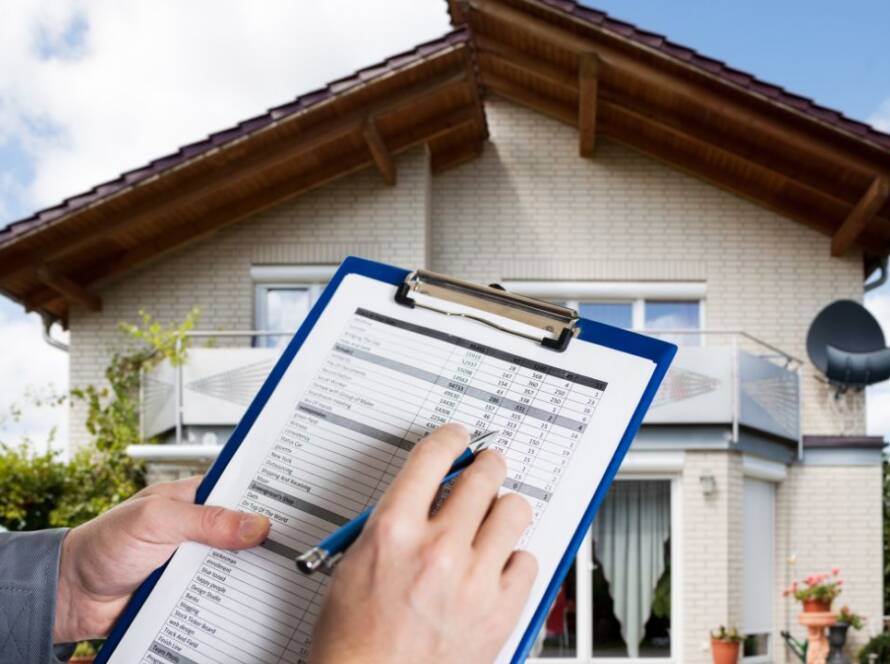
The buyer’s offer is accepted. The due diligence clock is ticking. And somewhere in the next few days, a licensed home inspector is going to walk through every room, open every panel, and climb into your attic and crawl space.
What they find in that two to four hour walkthrough can reshape your deal, reduce your sale price, or create repair demands you were not expecting.
The good news is that a significant portion of what inspectors flag is preventable. With the right preparation, sellers can walk into the inspection period with confidence instead of anxiety.
This is your complete checklist to prepare your home for sale in Raleigh, NC.
Why Preparation Matters More Than Most Sellers Realize
Inspectors are trained to find problems. That is their job. But they also notice things that signal how a home has been maintained overall.
A long list of minor deferred maintenance items, even if none are serious, creates a narrative. It tells the buyer that the seller has not been paying close attention. That narrative affects negotiations far beyond the actual cost of fixing anything on the list.
On the other hand, a home that is clearly well-prepared walks into the inspection with a different story. Small things have been addressed. Access points are clear and unobstructed. Systems are clean and running. The impression it leaves is that this home has been cared for.
That impression has real value in Raleigh’s market.
Start Here: The Pre-Inspection Mindset
Before going room by room, adopt the inspector’s mindset. Inspectors are not looking at your furniture or your decor. They are looking at systems, surfaces, and access points. They want to see everything, reach everything, and test everything.
Your preparation job is to make sure they can. Anything that obstructs access, hides a system, or signals neglect will end up in the report. Clear access and obvious maintenance tell the opposite story.
With that in mind, here is your full preparation checklist organized by area.

Exterior Checklist
The inspection starts outside. First impressions of the exterior condition set the tone for everything that follows.
Roof and Gutters
- Clear all debris from gutters and downspouts
- Check for missing, curling, or cracked shingles from ground level
- Make sure downspouts direct water at least three feet away from the foundation
- Trim any tree branches that overhang or touch the roof
Foundation and Grading
- Check that soil around the foundation slopes away from the home, not toward it
- Fill any low spots near the foundation where water could pool
- Clear vegetation and mulch that sits directly against the siding or foundation
Siding and Exterior Walls
- Repair any cracked, warped, or missing siding sections
- Recaulk around windows and doors where the seal has failed
- Touch up any peeling exterior paint, especially around trim and wood elements
Driveway, Walkways, and Steps
- Fill significant cracks in concrete or asphalt
- Repair any loose or broken steps
- Ensure handrails on exterior stairs are secure
Deck and Porch
- Check deck boards for rot, especially near posts and where boards meet the ledger
- Test all railings for stability
- Confirm the ledger board is properly attached to the home
Interior Checklist
Kitchen
The kitchen gets close attention because it combines plumbing, electrical, and appliances in one space.
- Run the dishwasher through a cycle to confirm it completes without error
- Test all burners and oven elements
- Check under the sink for any signs of moisture, staining, or slow drips
- Make sure the garbage disposal runs without unusual noise or delay
- Test the range hood fan and light
- Confirm the GFCI outlet near the sink tests and resets properly
Bathrooms
Bathrooms are inspected for moisture, ventilation, plumbing function, and fixture condition.
- Run each faucet and check under the sink for any drips or moisture staining
- Flush every toilet and confirm it fills and stops without running
- Check around the base of toilets for any soft flooring or staining that could indicate a previous leak
- Test each exhaust fan to confirm it actually vents properly
- Inspect caulking and grout around tubs and showers and refresh anywhere it is cracked or missing
- Confirm GFCI outlets in every bathroom test and reset properly
Bedrooms and Living Areas
These rooms receive a structural and safety-focused inspection.
- Test every window to confirm it opens, closes, and locks properly
- Test every door, including closet doors, for smooth operation without sticking
- Check ceiling areas for any staining that could suggest a past or present roof leak
- Test smoke detectors in every room and replace any that have dead batteries or are past their expiration
- Replace any burned-out light bulbs so the inspector can test every fixture
Basement or Bonus Rooms
- Look for any signs of moisture, staining, or efflorescence on walls
- Confirm all outlets in finished areas function properly
- Check that any sump pump runs when tested
Mechanical Systems Checklist
HVAC System
The HVAC system is one of the most scrutinized items in any inspection. A well-maintained system performs better under testing and signals responsible ownership.
- Replace the air filter before the inspection date
- Clear at least two feet of space around the outdoor condenser unit
- Remove any storage or items placed near air handlers or furnace units
- Turn the system on before the inspection to confirm both heating and cooling are functioning
- Have your most recent HVAC service records available for the inspector
Electrical Panel
- Make sure the electrical panel is fully accessible with nothing stored in front of it
- Label any unlabeled breakers if possible
- Check for any GFCI outlets throughout the home that have tripped and need resetting
Water Heater
- Clear the area immediately around the water heater
- Check for any signs of moisture, rust, or mineral buildup around the base
- Locate the manufacture date on the label and note it, the inspector will ask
Attic and Crawl Space Checklist
These two areas often contain the most significant findings in Raleigh inspections. Making them accessible and addressing obvious issues beforehand is worth the effort.
Attic
- Confirm the attic access panel opens easily and is not blocked by storage
- Check visible insulation for any obvious gaps in coverage
- Look for any daylight coming through the roof sheathing, which indicates gaps or damage
- Ensure attic ventilation openings are not blocked by insulation or debris
Crawl Space
- Clear the crawl space access point completely
- Check the vapor barrier for tears, gaps, or areas where it has shifted
- Look for standing water or visible mold on wood surfaces
- Confirm crawl space vents are not blocked or closed off improperly
Raleigh Note: Crawl space preparation deserves extra attention in the Triangle area. Our climate makes moisture migration into crawl spaces extremely common. A tattered vapor barrier, poor drainage around the foundation, or blocked vents will almost certainly appear in the buyer’s inspection report. Addressing these before the inspection removes one of the most common findings in local homes.
Safety Items Checklist
Inspectors document safety deficiencies specifically. These are the items most likely to trigger repair requests or buyer concern.
- Smoke detector on every level of the home and in every bedroom
- Carbon monoxide detector on every level, particularly near sleeping areas
- All smoke and CO detectors tested and confirmed functional within the last 12 months
- GFCI outlets installed in kitchens, bathrooms, garages, and exterior locations
- Handrails present and secure on all stairways with four or more risers
- No exposed wiring anywhere visible in the home, garage, or outbuildings
- No active pest evidence, including droppings, mud tubes, or visible damage
Documentation to Have Ready
Inspectors and buyers both appreciate organized documentation. It reduces questions and supports the narrative that the home has been well managed.
Having the following available at or before the inspection makes a strong impression:
- HVAC service records from the past two to three years
- Roof age and any replacement documentation
- Permits and contractor records for any work done since you purchased the home
- Warranty information for appliances and major systems
- HOA documents if applicable
- Any previous inspection reports you have on file
Raleigh Note: If work was done without a permit during your ownership or before, this is the time to discuss it with your realtor. Unpermitted work that appears in the inspection report without any prior disclosure creates more friction than disclosing it upfront.
What NOT to Do Before the Inspection
Preparation is about transparency, not concealment. Here are things sellers sometimes do that backfire.
Painting over water stains without repairing the underlying source. Inspectors probe stained areas and look for soft drywall beneath. A fresh painted stain reads as an attempt to hide a problem rather than fix it.
Moving furniture in front of problem areas. Inspectors note blocked access and will flag anything they cannot fully evaluate. Inaccessible areas in a report create more buyer concern than a disclosed minor issue would.
Making last minute repairs that look rushed or unfinished. A poorly patched roof or DIY electrical work done days before an inspection raises more questions than it answers. If a repair cannot be done properly before the inspection, it is better to disclose it and offer a credit than to attempt a cosmetic fix.
The Day Before the Inspection
The following items take less than two hours and make a meaningful difference in how the inspection goes.
- Replace HVAC filter if not done recently
- Test all smoke and CO detectors
- Reset any tripped GFCI outlets throughout the home
- Confirm all light bulbs are functional
- Clear access to the electrical panel, water heater, attic, and crawl space
- Unlock the gate, fence, or any areas the inspector will need to access
- Leave all keys, codes, and access information for the inspector
- Plan to vacate the home during the inspection, including pets
Should You Get a Pre-Listing Inspection First?
If you want to know exactly what a buyer’s inspector will find before they find it, a pre-listing inspection is the answer.
At Enteck, we offer pre-listing inspections that walk sellers through the same process a buyer’s inspector would follow. You get the full report, the full picture, and the time to address issues before they become negotiating leverage in someone else’s hands.
We covered this topic in depth in our blog on pre-listing inspections if you want to explore whether it makes sense for your situation.
How Enteck Helps Sellers Prepare
Preparing your home for sale is not just about cleaning and decluttering. It is about understanding what a trained inspector will look for and making sure your home tells the right story when they walk through the door.
At Enteck Design Group, we hold NC Home Inspector License #4457 and NC General Contractor License #81098. We know exactly what buyers’ inspectors look for because we perform the same evaluations ourselves.
When you work with Enteck before listing, we assess your home the way a buyer’s inspector would. We identify what needs to be addressed, give you honest repair guidance, and can handle the work ourselves before your home goes on the market.
No guesswork. No surprise inspection report. Just a home that shows well and sells with fewer complications.
We serve homeowners, sellers, and realtors across the Raleigh, Durham, and Chapel Hill Triangle area.
Frequently Asked Questions
How far in advance should I prepare my home for the buyer’s inspection?
Ideally two to four weeks before you expect the inspection to take place. That gives you enough time to address anything that needs a contractor, order parts for appliances, or pull a permit if any repair work requires one.
Do I need to be home during the inspection?
No. In fact, most inspectors and real estate professionals recommend that sellers vacate during the inspection. It allows the inspector to work without interruption and the buyer to ask questions freely.
What happens if I cannot fix everything before the inspection?
That is perfectly normal. Not every issue needs to be resolved before listing. Disclose what you know, address the most significant items, and work with your realtor on how to handle anything remaining in negotiations.
Does cleaning and staging the home affect the inspection?
Cleanliness does not directly affect inspection findings, but it does affect the inspector’s impression of how the home has been maintained. A clean, organized home with clear access to all systems starts the inspection on a better footing.
What are the most important things to fix before a home inspection in Raleigh?
Based on what we see most often in local inspections, prioritize the crawl space, roof condition, GFCI outlets, smoke and CO detectors, HVAC maintenance, and any active water leaks. These are the findings that appear most frequently in Raleigh reports.
Will the buyer share the inspection report with me as the seller?
Not automatically. Sellers are not entitled to receive the buyer’s inspection report in North Carolina. However, buyers may share specific findings during repair negotiations.
Can Enteck help me fix issues identified during preparation?
Yes. That is one of the key advantages of working with us. We identify what needs to be done and can manage the repairs ourselves, so you are not coordinating multiple contractors under time pressure.
How do I schedule a pre-sale assessment with Enteck?
Call or text us at (919) 420-3397 or visit enteck.com. We will walk through your home and give you an honest picture of what to address before listing.
Final Thoughts
Preparing your home for sale is one of the highest-return activities a seller can do before listing in Raleigh’s market. The time invested in this checklist translates directly into fewer surprises, stronger offers, and smoother closings.
Work through the list systematically. Prioritize safety items and access points first. Address the most common Raleigh findings, particularly the crawl space and roof, before the inspector arrives. And if you want professional eyes on your home before the buyer’s inspector shows up, Enteck is ready to help.
Ready to prepare your home for sale the right way?
Call or text: (919) 420-3397 Visit: enteck.com Serving Raleigh, Durham, Chapel Hill, and the entire Triangle area.
By Enteck Design Group | Raleigh, NC Home Inspection & General Contracting